Monday, February 17, 2014

331. Munder, Mundkur, Munda Villages.


The people of Mund(u)kur Village in Udupi District in the coastal Karnataka are currently in festive mood as the annual season of Rathotsava (the chariot festival) celebrations connected with the Village Goddess Durga Parameshwari is scheduled to be culminating on 18th February 2014. We have discussed several historical aspects of  Mundkur (Mundukuru) village in some of the earlier posts in this blog in tidbit fashion (Posts: 5, 216, 219, 305, 309 etc). In this Post  we shall discuss some of the Munda village names that are distributed and found in different parts of  India such that some strings of historical data that many of us are not explicitly aware of (or do not want to believe because of inherent prejudices) can be appreciated.
The Mundkur Village presently has two alternate names used commonly: (1) Mundkur (Mundukuru) and (2) Munder.

Munder Village
While in Kannada the Village is usually referred to as Mundukur or Mundkur, (d pronounced as D in daughter), in Tulu language people call this village as Munder (pronounced as munDeir; with D pronounced as in Daughter).  Consequently, there is a tendency to believe that Munder is a Tulu word for the equivalent Kannada place name of  Mundkur (or Mundukuru).

However, it is quite interesting to note that the term Munder is not an original or exclusive Tulu word since similar place names are distributed all over India. Now there are villages called Munder (and also Mundera or Munderi) in Uttar Pradesh, Orissa, Rajastan and other States of India. Hence it can be deduced that the term Munder is an antique word borrowed from an earlier language and culture associated with Munda group of Austro-Asiatic languages which was widespread in various parts of India.

Thus the presence of Munder place names spread widely in different parts of India suggests that the word hails from the antiquity and not a word restricted to users of Tulu language.
It seems that Munder was the original name of the village since cultural antiquity which was modified to Mundaka and Mundakur with passage of time and introduction of Kannada  by the rulers.

Mundkur Village
In Kannada usage, the village is generally known as Mundkur. The word Mundkur or Mundukuru can be analysed as Mundaka+oor.  It seems that the place name Mundukur evolved in two stages. It could have been Mundaka to begin with and subsequently the suffix -oor (or –ur) was attached.
There are several similar village names ending with suffix -kur ,  like: Nandikur, Barakur , Pilikur etc in Karavali. Probably, these villages were originally known as Mundaka, Nandika, Baraka, Pilika etc (as in place name Kabaka, etc) to which the suffix –ooru was affixed later along the historical timeline.

Munda, the term
The term Munda basically referred to a hamlet level leader of tribal people. Several hamlets or a confederation of habitations had a leader known as Manki among the Austro-Asiatic tribes living in different parts of India. Somehow the term Munda was extended later to represent the Austro-Asiatic tribes and the term Manki was referred to their villages as a place name. The term Munda was adapted into some of the Indian languages and for a example it means a young man in Punjabi language.  
Places having Munda affixation in the name are quite common in Dakshina Kannada & Udupi Districts as well as in other parts of Karnataka and India. There are some 801 officially notified villages with ‘Munda’ as a prefix enlisted in Census of India list for 2011. There may be many more similar sub-villages and hamlets unlisted in the Census list. Besides, there are also numerous additional villages having the suffix of ‘Munda’ in their place names (for example, Permunde). It seems some place names like Permunde were modified with passage of time to Permude.

Munda Villages in India

Andaman & Nicobar Islands: Munda Pahar
Andhra Pradesh: Mundrai, Mundladinna, Mundla Pahar, Mundala, Mundur, Mundlapadu, Mundlamuru, Mundla palle, Mundlavaripalle, Mundlapudi, Munda basti,

Bihar: Mundamla, Mundiari, Mundipur, Mundaramchhapra, Mundwa, Mundichak, Mundisarae,

Chattisgarh: Mundadih,, Mundagaon, ,Mundadeori,,Mundadadar, MundaTola, Mundeli, Mundera, Mundara, Mundapal, Mundagarh, Mundenar, Mundaplli, Munderm, Mundwal,

Gujarat: Mundha, Mundamer, Mundhvay, Mundra, Mundi,

Haryana: Mundheta, Mundarka, Munda Majra, Munda khera, Mundhri, Mundh, Mundi Garhi, Mundlana, Mundhlian, Mundhal Kalan, MundhalKhurd, Mundakhera, Mundakera, Mundra, Mundia khera, Mundain, Mundra, Mundawa, Mundi, Mundhalia, Mundiakhera,

Himachal Pradesh: Mundah, Mundla, Mundha, Mundhal, Mundwin, Mundkher Genda, Mundkher Tulsi, Mund kher, Mundru, Mundi khurd, Mundi kalan, Mundar, Mundu,  Mundli,

Jammu & Kashmir: Mundli Gaon, Mundak Pal, Mundah, Mund dhar, Mund,

Jharkhand: Mundatanr, Mundradih, Mundhari, Mundro, Munda, Mundli, Mundih, Mundomala, Mundo, Mundudih, Mundar, Mundatoli, Mundari, Mundiedal, Mundul, Munduam, Mundadeo, Mundatand, Mundakati,

Karnataka: Mundwad, Mundaganur, Mundargi, Mundki, Mundaganamane, Mundagesara, Munduvalli, Mundkuru, Mundanahalli, Mundre, Mundagadore, Mundaghatta, Mundagodu, Mundanahalli, Mundur, Mundaje, Munderga, Mundodi.

Kerala: Munderi, Mundur, Mundathikode, Mundakayam, Mundothuruth,

Madhya Pradesh: Mundla, Mundrawaja, Mundhari, Munda, Mundia,Mundli, Mundedi, Mundla Parval, Mundiaram, Mundlakhurd, Mundlakalan, Mundri, Mundlasondhya, Mundlibhoj, Mundlidotru, Mundlasuleman, Mundat, Mundpura, Mundla Maina, Mundladev, Mundlana, Mundipur, Mundaheda, Mundana, Mundis Kalma, Mundla Husain, Mundlabag, Mundla Nayata,

Madhya Pradesh: Mundla Dordar, Mundal Jotkaran, Mundi, Mundia, Mundia Kheda, Mundiya, Mundla lodha, Mundra, Mundari, Mundala, Mundrai, Munditola, Mundhol, Mundol, Mundwada, Mundalwad, Mundalgaon.

Maharastra: Mundipar, Mund, Mundhari, Mundikota, Mundala, Mundhal, Mundra, Mundwadi, Mundagaon, Mundwali, Mundhani, Mundewadi, Mundhe, Mundhar, Mundka, Mundhela, Mundkati, Mundabele, Mundhwa (near Pune).

Orissa: Mundaghat, Munder, Mundagohira, Mundala, Mundajohire, Mundatopa, Mundasahi, Mundali, Mundakati, Mundali, Mundalo, Mundida, Mundabeda, Mundakeri, Mundaguda, Mundikia, Mundagan, Mundikia, Mundati, Mundabadi, Mundakuri, Mundadaka, Mundapada, Mundapadua, Mundakani, Mundagaon, Mundar, Mundapadar, Mundagad, Mundaguda,

Punjab: Mundi Karal, Mundi, Mundkhera,

Rajastan: Mundital, Mundana, Mundpuri Kalan, Mundraheri, Mundiya, Mundota, Mundwara, Mundoti, Mundeti, Mundata, Mundol, Mundele, Mundri, Mundli, Mundiya, Munderi,  Mundawali, Mundol, Mundwara,  Mundle,

Tamilnadu: Mundiyur, Mundachedu, Mundamalai,

Uttar Pradesh: Mundikheri, Mundet, Mundhol, Mundi,Mundali, Mundre, Mundhera, Mundia, Mundele, Munder, Mundera, Mund, Mundadeo, Mundala, Munder, Munderwa, Mundbara, Mundori,

West Bengal: Mundira, Mundamari, Mundakti, Mundukhola.

Antiquity of Munda tribes
The widespread distribution of Munda place names in India suggests that in the antiquity the Munda tribes were distributed all over India   even though they were marginalized later and presently restricted largely to under-developed tribal pockets especially in the States of  Chattisgarh, Jharkhand, Orissa and Madhya Pradesh.
The Munda tribes presently remaining in Tulunadu are usually referred to as Mundala tribes. Similar tribes and their languages  elsewhere in India are  referred to as Mundari in general.
The ancient Munda tribes of Tulunadu have been partially assimilated into the mainstream Tulu/ Dravida tribes during the passage of historical time. 
The existence of several Tulu surnames ( bari) such as Munda, Mundavarna, Mundittaya, Mundadittaya etc among various Tulu castes of present day, reveal the past assimilation of Munda tribes into Tulu communities. 
It is said that the Spirit Arasu Mundattaya represents the King Veera Pandya, a nephew of Bhutala Pandya according to some legends.

The word Munda in Tulu
In Tulu language, the word Munda has  been retained and is being is used in different contexts. In normal usage, the word munda in Tulu means forehead part of (human) body; similarly, mundu has several meanings, such as (a) an unit of measurement (1 mundu=2.5 ft), (b) knee, (c) a sheet of cloth wrapped around waist as an apparel (usually worn by South Indian men),  (d) calf (of cattle) (e) short and stout (physical feature) etc. Contrastingly in the neighboring Kannada the munda refers to the body part below head (as in usage runda- munda).
A munda also means a raised platform in coastal areas, for example, used by fishermen to display their fish catches.
 Mundappa is a masculine proper name as well as a coastal breed of mangoes.

®


Friday, January 31, 2014

330. Manki: Village names in India

There is a place known as ‘Manki stand’ near Mangaladevi Temple in Mangalore. The place acquired the epithet of ‘stand’ since it was used as station for ‘Jataka’ (Horse carriage) during the British administration period in Mangalore. I used to think that the name was Monkey till I found that place names like Manki exist in other places for example near Honnavar in Uttara Kannada District, Karnataka. Similarly there is a village known as Permanki near Gurupur and Ulaibettu.

Etymology
Manki is a term connected with Munda tribes of Austro-Asiatic origin who were spread in diverse parts of India in the pre-Dravidian antiquity but presently restricted to parts of Bihar, Chattisgad, Orissa and Bengal. The term Manki represents a village or a habitation.
Thus the village name Permanki means a large village since pera means large in Dravidian languages also.

Manki Villages in India
Bihar: Manki, Mankidih, Mankiman
Chattisgarh: Manki
Jharkhand: Mankidih, Manki Bazar,
Karnataka:  Manki, Permanki,
Madhya Pradesh: Manki, Manki Salaiya, Mankiyai, Mankisar,Manki Ryt
Maharastra; Manki, Mankivalli
Meghalaya: Mankingiri
Orissa: Mankiria,Mankididihi, Mankidia, Mankidi
Punjab: Manki, Mankinvalli,
Rajastan: Manki, Mankiyas
Uttar Pradesh: Manki, Mankikhurd, Mankikalan, Mankiari.

Austro-Asiatic Munda tribes
The wide distribution of place names containing the term Manki and other place names containing Munda as prefix or suffix suggest that  habitations of Munda tribes were distributed all over India once upon a time probably before the advent and dominance of Dravidians in Southern India .


®

329. Garodi and Garodi

An interesting aspect in the study of origin and analysis of ancient historical terms and place names is that a word can have more than one meaning. This could have happened as a result of existence of similar sounding words derived from different tribal communities and time periods. For example, Odi is an ancient word with more than 17 meanings.
Some of these ancient words have the potential of opening and leading our minds into the obscure paths of the nature and evolution of words (and languages) in this land.

Garodi, the gymansium
The term ‘Garodi’ is generally considered to an ancient Tulu word for ancient system of gymnasia that dotted many villages of Tulunadu wherein young men were trained systematically in the martial arts. Interestingly in Tamil the equivalent word for Garodi happens to be karati because Tamil alphabet is devoid of consonants like Ga and Di. It has been speculated that Buddhist monks from south India carried the karati art form of martial arts to China and Japan where it was designated as karate.
Garodi, the Tulu word also means a large hall in front of the house according to Tulu Nighantu.  And this could be the actual origin of the word since martial arts were taught to disciples in large open halls called Garodi. The parallel term Kalari (kala+ri), vogue in Tamil and Malayalam region also means an open area or plot (kaLa) for conducting   exercises or games. Reference to bows, swords, spears and shields can be found in Sangam literatures like Akananuru and Purananuru. The word Kalari has appeared in Sangam literature (Tamil) like Puram and Akam to describe the war field or combat field. It can be seen that the related word kalaha means battle in languages like Kannada and Sanskrit.

Garodi, the snake charmer
However, the term Garodi is not exclusive to Tulunadu. There are persons having Garodi or Garodiya as surname and tribes known as Garodi in Western India. There are places known as Garodi or Garodiya in Gujarat and Maharastra.
The Garodis are a wandering tribe of snake charmers and jugglers in parts of northern Karnataka and Maharastra (Belgaum, Kolhapur, Sangli , Pune and Miraj). These have been considered to be a Muslim sect converted from Scheduled Castes.

Etymology
1. Garodi1= A large open hall, gymnasium.  Gara= large. Garandal= large tall, person; stalwart. Garda= (flag on) tall post, [misnomer: Garuda kamba; It should be Garda kamba]. Garābu= greed; Garime= severity, magnitude. Gar (as in garpu) to dig soil or land to level etc.

2. Garodi 2= Snake charmer.
Gara= snake, Garala (Tulu etc)=snake poison. Garuda= snake charmer/catcher bird; Eagle, Gar=snake; Odi=charm, magic trick.
Gārudi= magic tricks; snake catchers tricks? ; Shri Krishna Garudi= Magical acts of Lord Krishna.
 

®

.

Friday, January 17, 2014

328. Pune, Punacha, Punchame villages.

Pune (Poona or Puna) is a burgeoning metropolitan city in Maharastra. However the place Pune is not alone. There are numerous places called Pune (or its variants like Puna , Puni, Punia or Punay etc)  in different parts of India in States such as Rajasthan, Gujarat, Uttar Pradesh, Himachal Pradesh, Madhya Pradesh, Manipur and Nagaland.
The term puNa in Tulu language means dead body (peNa old Kannada; heNa in modern Kannada). However this may not be the meaning of the word Puna in coastal place names such as Punarur, Punacha, Punchame, Punchapadi, etc. Because none of these place names are exclusive to Karavali Tulunadu but found all over the country.

Pun(a) Villages in India.
We can find numerous villages in India named after Puna (plural Punar) tribes, of course with assorted spatial suffixes, some of which are common all over India irrespective of its diversity.
Andhra Pradesh: Punaguda, Punjanur, Punnole, Punem, Punukudu, Punnum, Punubuchampeta, Punuvalsa, Punukuru, Punukollu, Punaraka, Pungami, Punganur, Punnepalli, Punaraka. etc
Assam: Punirmukh, Punicherra, Pundibari, Punia, Puniagaon, Punia, etc
Bihar: Punar, Punarwara, Punaura, Pundale, Punach, Punwa, Punsia, Punadiah, Punesra, Punha, Puna,Pundark, Punawan, Punaidili, Punaul, etc
Chattisgarh: Punnoor, Punpalli, Punadih, Pungarpal, Punarkasa. etc
Goa: Punnola. etc
Haryana: Pundrak, Puniska, Puntawar etc
Himachal Pradesh: Punto, Puntwar, Punal, Punani, Puni, Puner, Punyal, Pundar, Puna, Punahan, Punahli, Punnar, Punan, Pundras, Punang. etc
Jammu & Kashmir: Punjvari, Punachetar, Puneja, Punwal, Punara, etc
Karnataka: Punajur, Pundahalli, Punaje, Pundanahalli, Punjihalli, Punagumarana-halli, Punacha, Punchapady, etc
Kerala: Punnayur, Punnapra, Punnala. Ponnani etc
Madhya Pradesh: Punchhari, Punawali, Punchhi, Punduwa, Punolhar, Punyakhed, Punapada,Punakheda, Puni, Punasa, Punhai, Punoli, Punda, etc
Maharastra: Punoti, Pungaon, Punkhede, Punnur, Punnaguda, Punwat, Pune, Punir,Pundhe, Pundas, Puntamba, Punatgaon, Punewad, Pungani, Punwar, etc
Manipur: Punge, Puni, etc
Nagaland: Puneboqa etc
Orissa: Punesia,Pundra,Pundal, Punanga,Punipada, Punjam, Punger, etc
Punjab: Punsai, Punga, Punj. etc
Rajastan: Punirsar, Punny, Punata,Punyana, Punsar, Punali, Punera, Punwalia, etc
Tamilnadu: Punganur, Punnamalai, Pundi,Punnai, Pungar, etc
Uttar Pradesh: Pundar,Punnar,Punda, Punapar. etc
Uttar khand: Punar,Pungroli,Pundori,Punoli. etc
West Bengal: Punia, Puncha, Punra, Pungila, Punja, etc

Punarpuli, Punake
Wild maroon colored berries are known as Punarpuli (Garcinia indica) in Karavali region.(Elsewhere it is known as Kokam, or  Birinda etc). Similarly the tamarind is known as Punake in Tulu. (Tamarindus indica. Punase/Hunase in Old/ Modern Kannada). There is a probability that these berries/fruits are named after the extinct Puna tribes.
Similarly, Poonacha is  a surname among people of Kodagu region

Origin
The wide distribution of Puna place names suggest that these places could have been named after a tribe that dissolved its identity and seamlessly assimilated into the Indian Diaspora. We do not find direct historical evidences for the now extinct Puna tribes.
1. One of the possibility is that the name refers to Hun people of Mongoloid origin (Hun>Pun) who invaded India around 6th Century CE.
2. The other possibility is that they might have been the migrant Austro-Asiatic tribes from Southeast Asia, related to some of the Punan tribes.
3. One more possibility is that these could have been an ancient segment of African Punu tribes.
Readers having interesting additional data on the topic may share their views in the comments section.


R


Tuesday, January 14, 2014

327. Ira, Irde, Iruvattur villages

The primitive words, employed by various tribes, were carried to different regions during the course of human migrations in the face of growing civilization in the world. The evidences  in support of this statement have been preserved even today like fossils in the form of  similar sounding primitive place names found all over the world.
Ira, Irde, Iruvail and Iruavttur are some of the place names based on the prefix Ira in Karavali Tulunadu. Most of us have no idea regarding the origin or meaning of these place names even though  a few may venture that ‘Iruvattur’ means twenty villages by analogy with ‘Irva’ for the number twenty in Tulu language. (In that case, if it was allusion to the cluster of twenty villages, the place name should have been Iruva-oor   instead of Irvattur.)
Tribes named after Ira like Irula probably were distributed all over India once upon a time. Presently, the Irula tribes (they speak Irula language) are found distributed in parts of Tamilnadu and Kerala. They are well versed in the art of catching poisonous snakes and collecting venoms from the snakes. Some people think that the name Irula is derived from the Dravidian word Irul for darkness. We shall also discuss other possibilities of the origin of the word in this post.
Wild mushrooms in Iravattur Village near Karkala.

The interesting and mysterious fact is that the Ira place names are not exclusive to Tulunadu but are found all over India and other parts of the world.

Ira and Iruva
Ira was the sky Goddess among Polynesian tribes. Similarly Iruva was the Sun God among the African tribes. Analogy between Ira (Sky Goddess) and Iruva (Sun God) are evident, even though now it is difficult to say who borrowed the concept from whom. However based on the cults, we can conclude that the primitive word Ira represented God/Goddess of the sky or the Sun God in primitive ancient cultures.
Also we can see that names of Iran and Iraq are based on this string Ira. Similarly, the name of the River Irrawaddy (also known formerly as Irāvati or simply Rāvi) in Myanmar (Burma) is also based on this string Ira. Myanmar has recently changed the name.
The term Ira also exists as a personal name among Munda tribal people of Orissa, Bihar and Chattisgarh region.

Ira place names in India
There are numerous places in different parts of India named after the ancient Sun God Ira.
Andhra Pradesh: Iruvada, Iravada , Iravennu, Irapadu, Iragai, Iradapalli,Iragavaram, Irgampalli, Irasalagundam, Irangal, Iranbanda, Iridi, Irvendi,  etc.
Bihar: Irki, Iruri etc.
Chattisgarh: Irai, Iraf, Iraikhurd, Iraikalen, Iragaon, Iraguda,Iradali, Irakadand, Irakbutta, Irakbatti, Irpanar,  Irpa etc.
Gujarath: Irana etc
Jammu & Kashmir: Irazi Samba, Irkamoo etc.
Jharkhand: Irawal, Irki, Irkia etc.
Karnataka: Ira, Iruvattur, Iruvail, Irde, Iranatti, Iragodu, Iraksandra,Iragasandra,  Iranghatta, Irangalu, Iravalli, Irankarhalli, Iralevalamudi, Iragapalli, Irakarahalli, Iragamuttanahlli, Iragabanhalli, Iragareddihalli, Iragapalli, Iruvakki etc
Kerala: Iravan, Irapuram, Irikkur, Iriveri, Iroopara, etc
Maharastra: Irri, Irala, Irla, Irle, Irapur, Irali, Iropara, Irpundi, Irpanpalli, Irpanar, Irapur, Iralad, Irlad, Irachivadi, Irur, Irgaon, Irle, Irlevadi, ruha, Irthal etc.
Orissa: Irapikote, Iralgonda,Irda, IRibina, Iripiguda, Irpiguda, Irpisaru, Irpikota, Iriputa, Iralgonda, etc.
Punjab: Irak etc
Rajasthan: Irniya, Iraniyan, Iras, Irniya, Irli, etc.
Tamilnadu: Iravancheri, Iravadanallur, Iruvappapuram Iranda(n)kattalai, Iraiyanur, Irangur, Iravimangalam, Irandayiravilagam, Iravancheri, Irungur, Iravinivayal,Irur, Irupp, Iravadnallur, Irichi, Iriniyam, Iraipuvari Irulancheri, Irumbedu, Irumbuli,  Iranyasidhi, Irukkur, Irungalur, Iruveli,  Irunjirai, Irulapatti, etc
Tripura: Irani, etc
Uttar Pradesh: radatpur, Iradat nagar, Iradatganj, Iran Gokulpur, etc.
Uttarkhand: Irak, Irani, Irawal gaon, Irailli, Irakst, Irha etc.
West Bengal: Irda, Irkha, etc.

Cult of Sun God
The ancient cult of Sun worship can be traced to primitive days of civilization all over the world. It is interesting that some of these primitive words have been distributed in different parts of the world thanks to the migration of ancient tribes in search of better pastures. Even though presently the ancient word Ira has lost significance in our culture as a consequence of evolution of   languages, it seems the string Ira evolved into Ravi in later years of the history. One of the rivers of Punjab is known as Rāvi. Similarly, the Myanmar (Burma) River Irrawaddy /Irāvati   is also sometimes known as Rāvi.


         327. Ira, Irde, Iruvattur villages.


Monday, January 13, 2014

326. Nāravi and Nāra villages

The Village Nāravi (in Belthangadi Taluk, Dakshina Kannada), known for an ancient Suryanarayana temple (Post 301), is located on the bank of a stream tributary to River Gurpur (or Phalguni).  It is said that the older name of the village Naravi was Narol.
The term nāra (in Sanskrit), means water; The best explanation for the relatively less known term ‘nāra’ is the divine name of Nārayana, which is explained as one resides in water (nāra + ayana). (Wiki page on ‘Narayana’). 
In 'Satyārtha Prakāsha', Swami Dayananda Saraswati expounds the meaning of  ' nāra ', which means water and also the soul of living bodies. According to him the 'Nārāyana' means, the one whose abode (ayana) is  nāra and thus he is considered as the all pervading God. One more meaning of  nāra  is knowledge.  Thus,  Nārada  means the one who spreads knowledge. Similarly, Narial or Narikela means coconut which contains water. 
 Some attribute the term nāra to white birds frequenting the water bodies.  In Uttar Kannada nyari (or neri) in local Kannada means grassy weeds growing in water. In Dravidian languages like Tulu and Kannada nār also means fiber or fibrous weed. An variant of the nāra, the  nāla also means stream or rivulet. Thus connection of nāra to water is clear. In Dravidian languages neer means water. Thus the parallelism between the words nāra and neer is quite interesting.
A similar sounding word nara (short na) represents man or human being and similarly nāri means a woman. In poetic lines we can see nār for nāri. (As in Hindi film Padosan: Ek chatur naar ..). Thus some believe that nāra also means living beings in general.

One more striking word in usage based on the word 'nāra' and commonly used in Tulu, Kannada and Sanskrit languages is  kināra which means the sea coast or river bank (wherein the possible word origin  was ki [= place, area] + nāra [=water]) . 

Nara villages
There are numerous villages in Tulunadu having names like Narla, Narsha, Narya, Narve, Naravi etc. Of these Nārla appears to be one of the most common village names not only in Karavali/Tulunadu but also in other regions of India. Thus Nārla or similar Nāra place names are not exclusive to Tulu or Dravidian language and culture but part of the pan-Indian evolutionary scenery.

Nārla
There are villages named Nārla in different parts of the country like Karnataka,Andhra Pradesh, Orissa, Maharastra, Himachal Pradesh, Jammu & Kashmir, Rajasthan and Uttar Pradesh. Besides, we can also find Narlakantiguda, Narlapuram and Narlavaram In Andhra Pradesh, Narlavalas, in Andhra and Orissa, Narla-halli in Karnataka and Narlad in Maharastra, Narlai and Narlay in Madhya Pradesh. Etc.

Nārya
Similarly, villages named Nārya can be found in other States of India like Haryana (Naryana), Madhya Pradesh (Naryaval), Himachal Pradesh (Naryaval), Uttar Pradesh (Naryanpur), West Bengal (Naryanpur), Rajasthan (Narya ka bas) etc.

Forgotten Episodes
Present generation of Tulu people have almost forgotten the word nāra, which means water, since it has been completely replaced by the Tulu-Dravidian equivalent word neer. However, the Nāra place names have remained immortally all over India since ages as in Karavali/ Tulunadu also. This paradox can only be explained by the existence of undercurrent layers of forgotten episodes in our past history.
Â


Saturday, January 11, 2014

325. Ila and Ilantila

Ilantila is a village in Belthangadi Taluk. The village name is quite interesting as the word ila repeats twice in the place name. The suffix –ila represents a habitation as in place names Kedila, Baltila, Bardila, Manila, Uchila, Panapila, Nettila, etc. The term -ila is apparently related to the word illu (=house) present in Tulu and Telugu. Thus the word Ilantila means ila within ila;   (since, ant generally means within), wherein possibly it means habitation within the (larger) land mass . Alternately it could also mean a row of houses or house after a house.

Ila, the Earth
The word Ila or Ile in Kannada and Sanskrit generally means the Earth or landmass.  The Indian legends of Manu have also envisaged personification of  Goddess Ila Devi after a major deluge. Incidentally, the Ile   is an Earth Goddess according to West African (Yoruba) tribal mythology. Further, in Arabic language the word Ilah   represents God and the Ilahi means my God. The root word Ile from the ancient West African mythology could have been carried by the migrating people and adopted in early Indian languages.

Ila Villages in India
The northern Tamil part of Srilanka is known as Ilam or Elam. Besides, there are hundreds of villages all over India that carry the prefix of Ila. Some of these villages are:
Andhra Pradesh: Ilapur, Ilaparru, Ilapkuru, Ilapvulur, Ilavera, Ilavaram, Ilaganur, Ilaspur.etc
Chattisgarh: Ila, Ilaspur. etc
Gujarat:  Ilav, Ilampur, etc
Jharkhand: Ilaki, Ilami, Ilaspur. etc
Karnataka: Ilal, Ilval, Ilapur, Ilantila, Iladoni, Ilatore, etc.
Madhya Pradesh: Ilahipur, Ilaskhedi, Ilahi, Ilamkhedi etc.
Maharastra: Ilakhi, Ilane. etc
Orissa:  Ilaspur, Ilajanga. etc
Rajasthan: Ilahipura. etc
Tamilnadu: Ilamangalam, Ilangiyanur, Ilaiyalur, Ilandabanur, Ilayathgudi, Ilankhudi, Ilandamngalam, Ilaknnivayal, Ilanyangudi, Ilamnur, Ilangiyendal, Ilandikulam, Ilaiathanvayal, Ilankakoor, Ilanchembur, Ilambuvanam, Ilangulam, etc.
West Bengal: Ilaspur, Ilam, Ilamkuri,Ilampur, Ilamdanga, Ilashpur etc.

Â


Blog Archive

Books for Reference

  • A Comparative Study of Tulu Dialects By Dr. Padmanabha Kekunnaya. Govinda Pai Reserach Centre, UDupi. 1994
  • Koti Chennaya: Janapadiya Adhyayana. By Dr. Vamana Nandavar. Hemanshu Prakashana ,Mangalore.2001.
  • Male kudiyaru. Dr B. A.Viveka Rai and D.Yadupathi Gowda, Mangalore University,1996.
  • Mogaveera Samskriti By Venkataraja Punimchattaya. Karnataka Sahitya Academy.1993.
  • Mugeraru:Jananga Janapada Adhyayana. By Dr Abhaya Kumar Kaukradi.Kannada & Culture Directorate,Bangalore & Karnataka Tulu Academy, Mangalore,1997.
  • Puttubalakeya Pad-danagalu. Ed: Dr B.A.Viveka Rai,Yadupati Gowda and Rajashri, Sri Dharmasthala Manjunatheswara Tulu Peeta. Mangalore University.2004
  • Se'erige. Ed:Dr K.Chinnapa Gowda.Madipu Prakashana,Mangalagangotri,2000.
  • Studies in Tuluva History and Culture.by Dr P Gururaja Bhat (1975).Milagres College,Kallinapur,Udupi.
  • Taulava Sanskriti by Dr.B.A.Viveka Rai, Sahyadri Prakashana,Mysore 1977
  • TuLu naaDu-nuDi By Dr.PalthaDi Ramakrishna Achar, Puttur.
  • TuLu NighanTu. (Editor in Chief: Dr U.P.Upadhyaya, Govinda Pai Research Centre,Udupi. Six volumes. 1988 to 1997
  • Tulu Patero-A Philology & Grammar of Tulu Language by Budhananda Shivalli.2004.Mandira Prakashana Mangalore. p.317. (The book is in Tulu Language using Kannada script)
  • TuLunadina ShasanagaLa Sanskritika Adhyayana. By Shaila T. Verma (2002) Jnanodaya Prakashana,Bangalore, p.304.(Kannada)
  • Tuluvala Baliyendre. Compiled by N.A.Sheenappa Hegde,Polali,Sri Devi Prakashana,Parkala,1929/1999

A Coastal estuary

A Coastal estuary
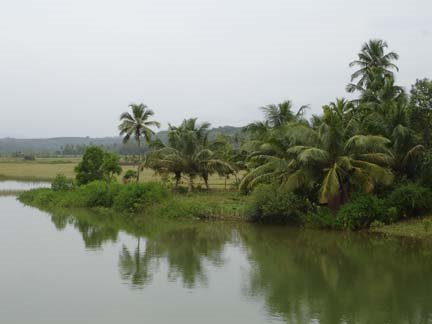
Holegadde near Honavar,Uttara Kannada dist, Karnataka

Copy? Right - but kindly remember to acknowledge!

Creative Commons License
This work is licensed under a Creative Commons Attribution 3.0 License.

" tulu-research.blogspot." ತುಳು ರಿಸರ್ಚ್. ಬ್ಲಾಗ್‌ಸ್ಪಾಟ್‌. ಇನ್

" tulu-research.blogspot."  ತುಳು  ರಿಸರ್ಚ್.  ಬ್ಲಾಗ್‌ಸ್ಪಾಟ್‌. ಇನ್
Have a nice day !